
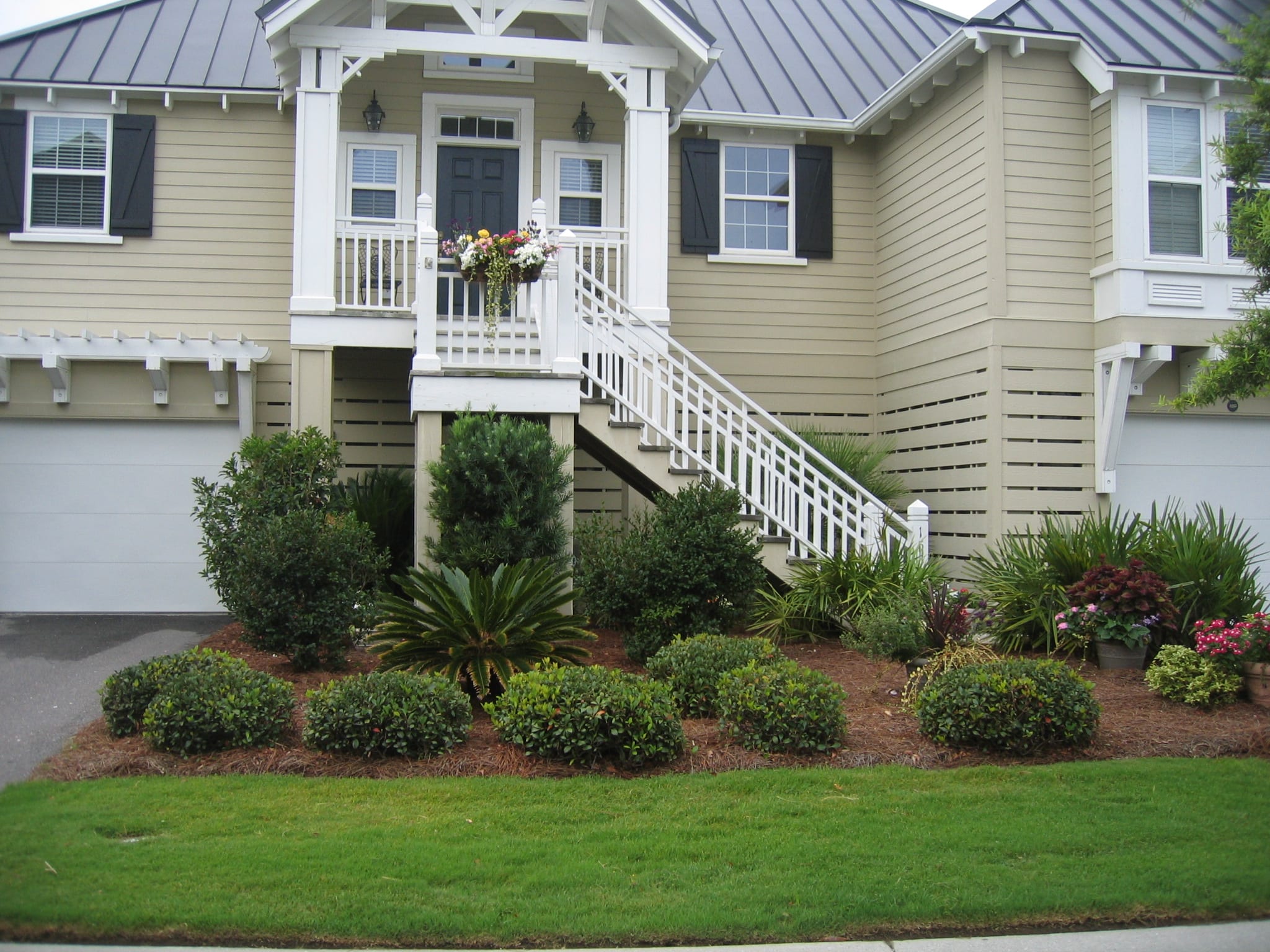
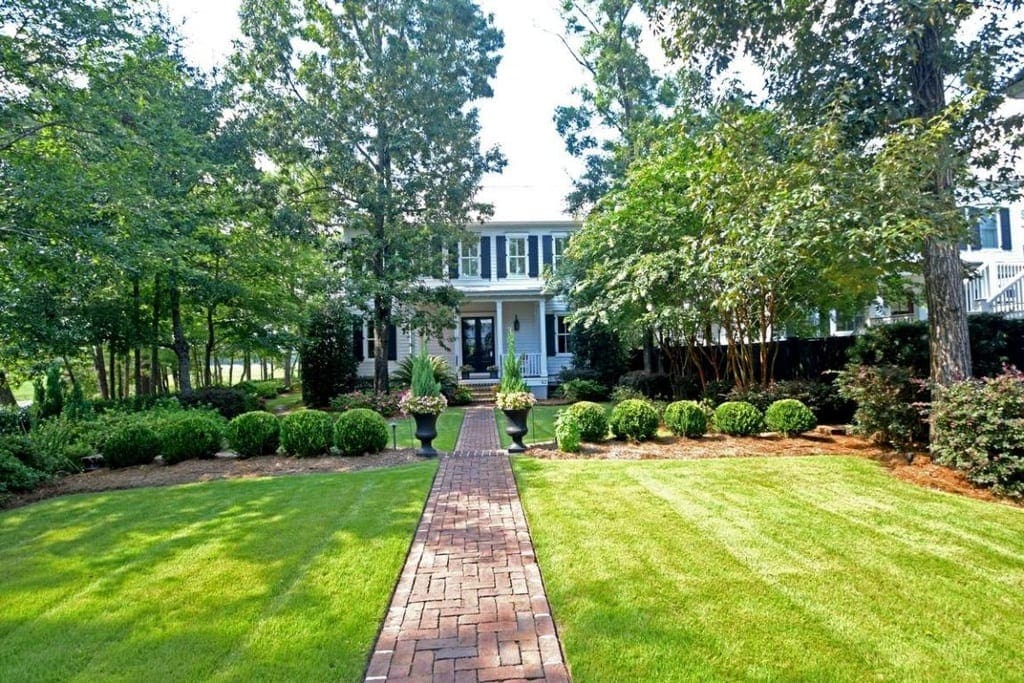
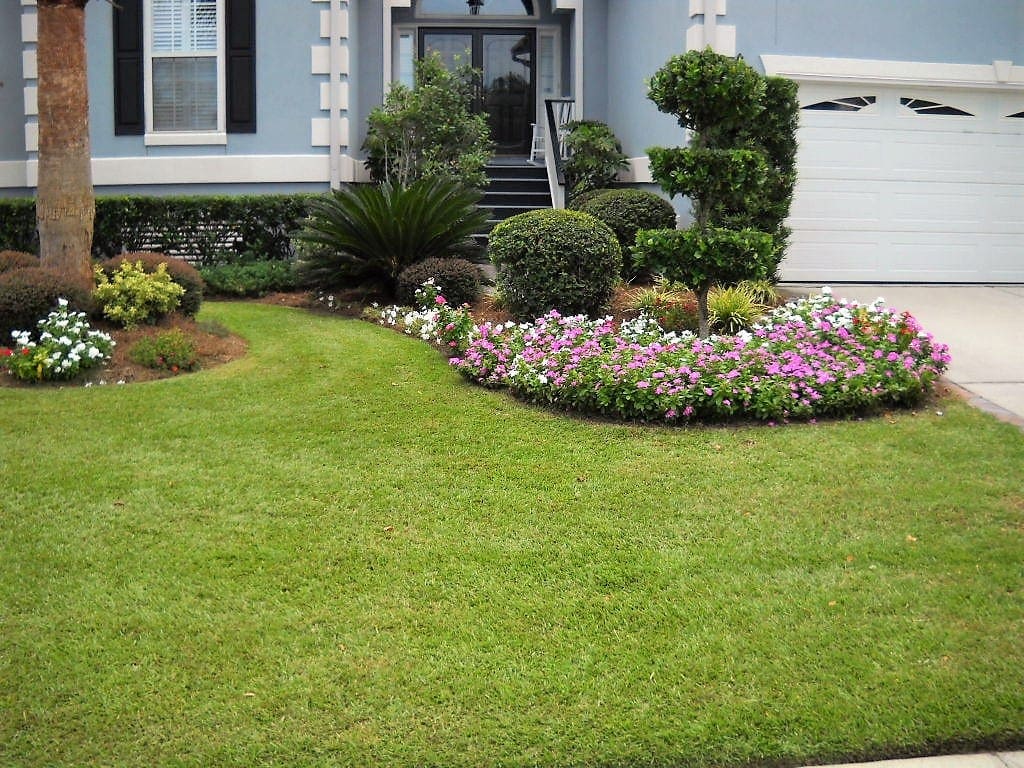
Take Your Landscape to the Next Level
with One of the Best Residential Landscaping Companies serving Mt. Pleasant and the South Carolina Low country
Pleasant Landscapes has been improving residential landscapes for over 25 years. This is your one-stop shop for landscape services. Whether you want someone to care for your lawn all year long or you want to design, build and install a new swimming pool area in your backyard, you've come to one of the right landscaping companies. We successfully make customers happy all over the greater Charleston, South Carolina area including Mt. Pleasant, Sullivan's Island, Daniel Island, Isle of Palms, Charleston, North Charleston and more.
Why take the risk of hiring someone else? Our professional, experienced team will take care of all your landscaping needs, and if you don't like it, we will come back and make things right. Read more about our famous Service Guarantee.
Our Full Service Landscaping Company Handles Projects from Landscape Design to Lawn Maintenance
We take care of each project from the initial consultation to the final completed result. Our professional and helpful team works together to accomplish everything that needs doing.
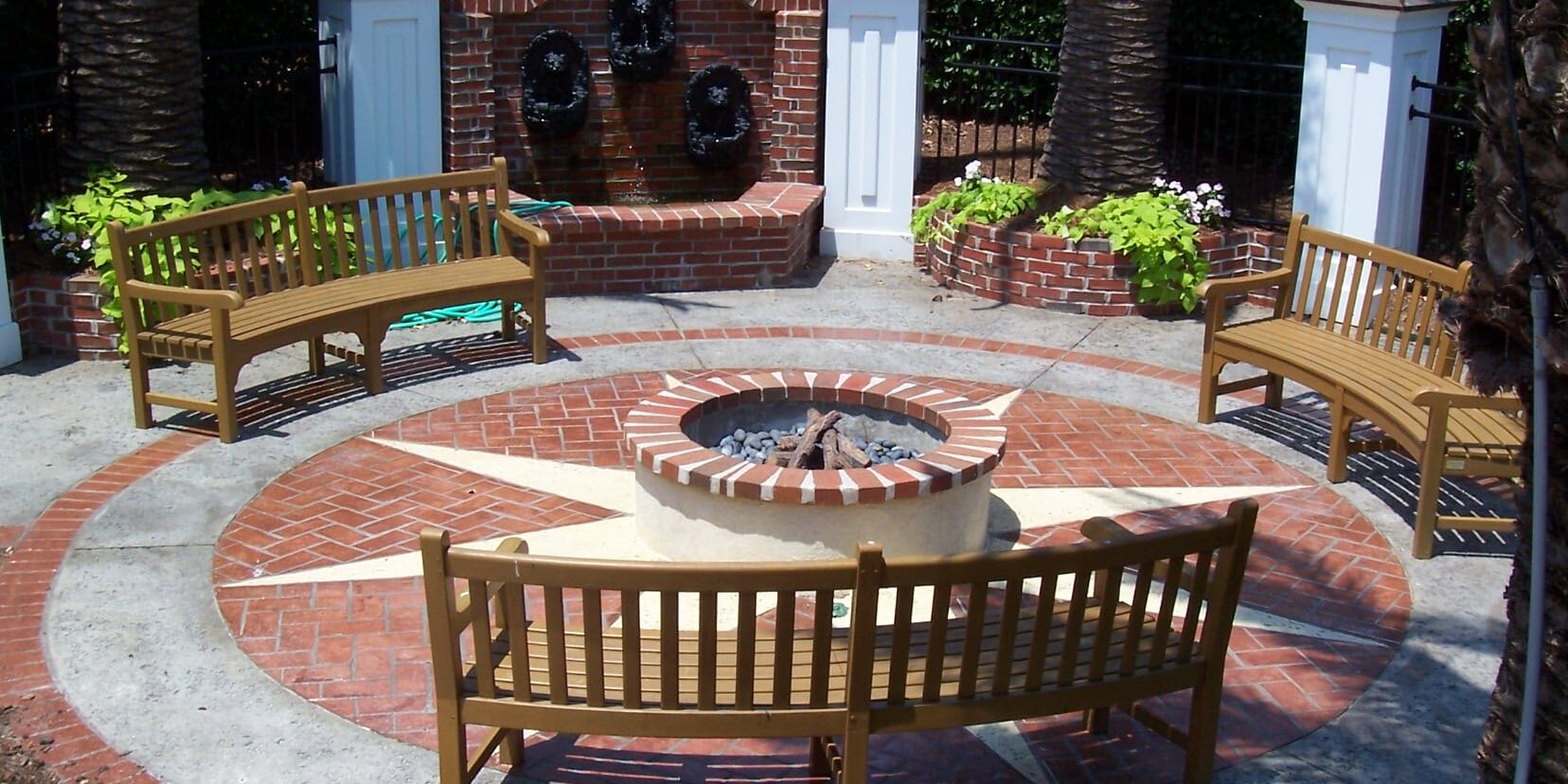
Landscape Design to Suit Your Needs
Our landscape architects, designers and craftsmen draw from years of experience to design a landscape that creates harmony and beauty on your unique property.
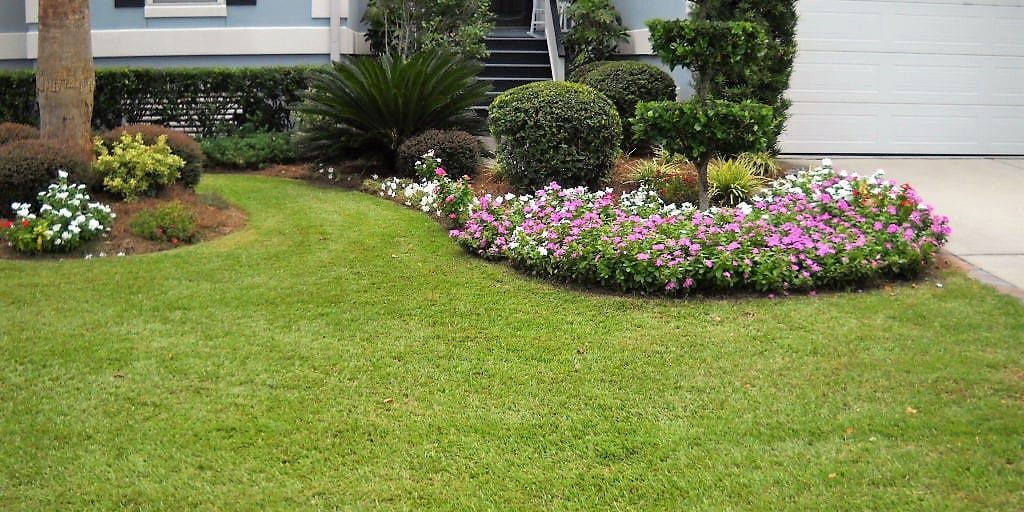
We Specialize in Lawn Care and Maintenance
Keep your lawn looking beautiful and healthy all year long without the hassle of doing it yourself. Our professional treatments and services take care of every aspect of your lawn, making it easy and safe for you to enjoy your outdoor environment.
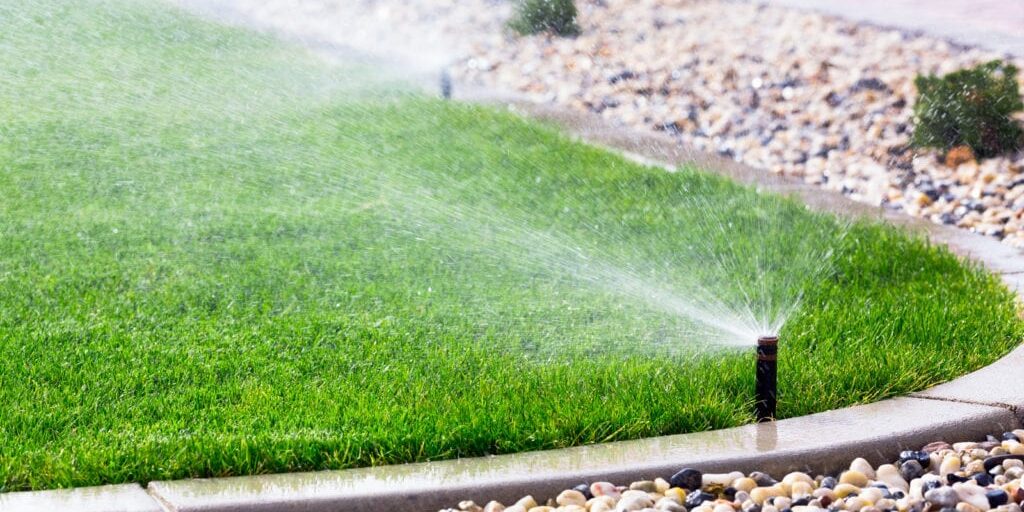
Quality Sprinkler Systems
For new sprinkler systems or repairs, Pleasant Landscapes has the know-how to get the job done right, making this one decision that won't leave you (or your lawn) burned out.
See How Pleasant Landscapes Has Beautified Many Properties
We're not too modest to show off our work! Our portfolio showcases some of our prize projects. Be inspired by what you see.
Pleasant Landscapes has a long history and a full background of excellence. To learn more about one of the best landscaping companies in the greater Charleston, South Carolina area, please visit our About page.
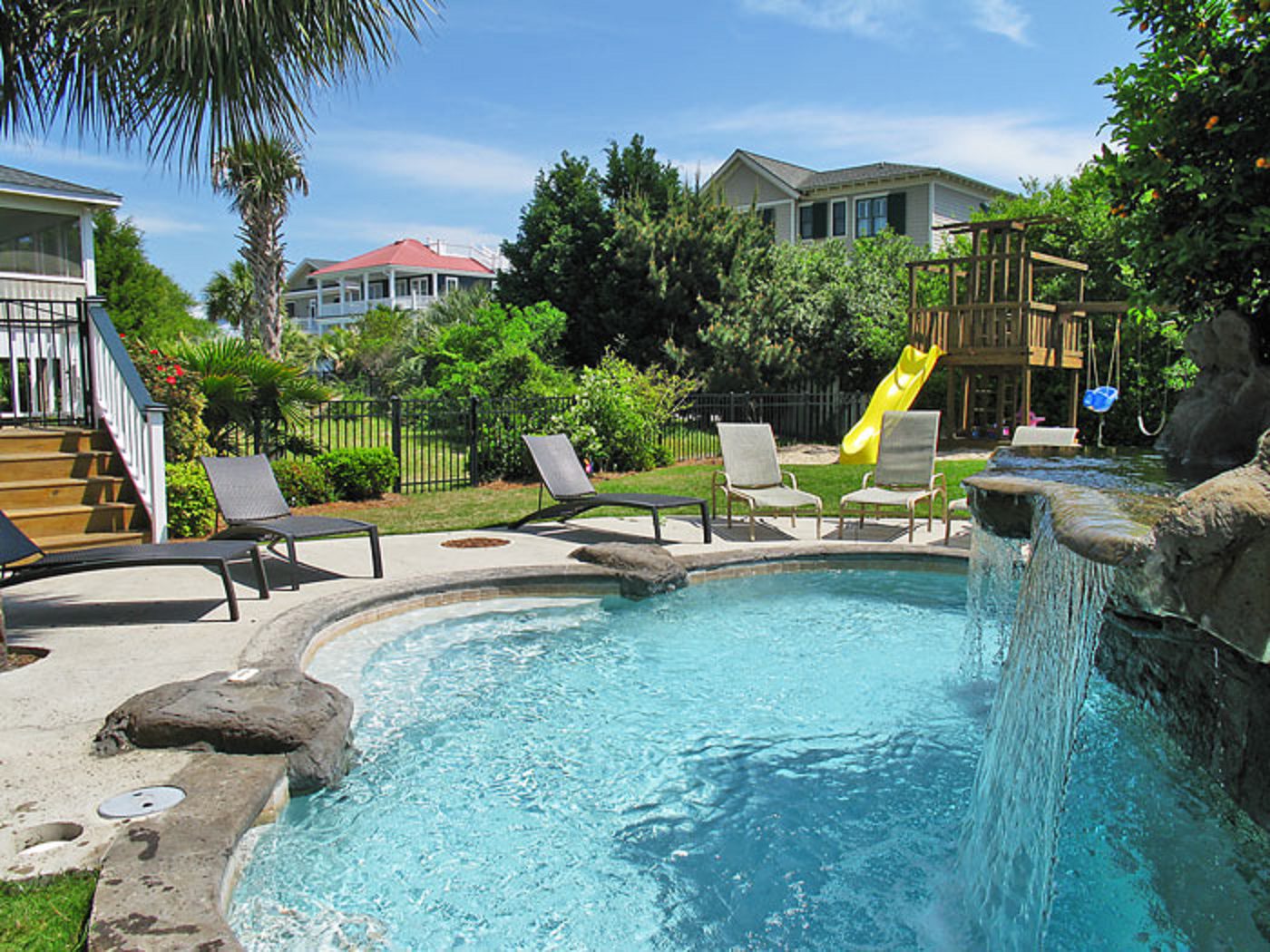
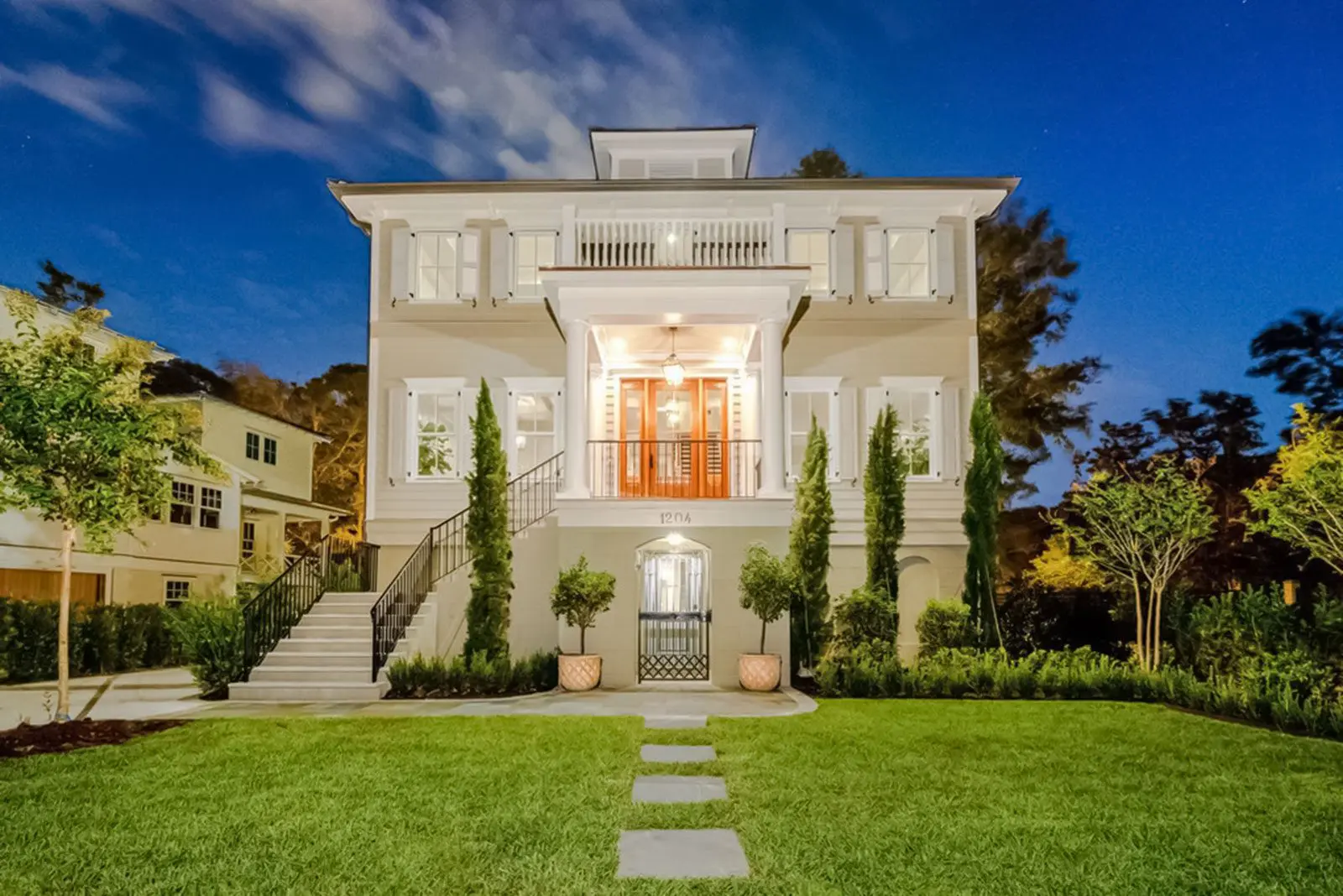
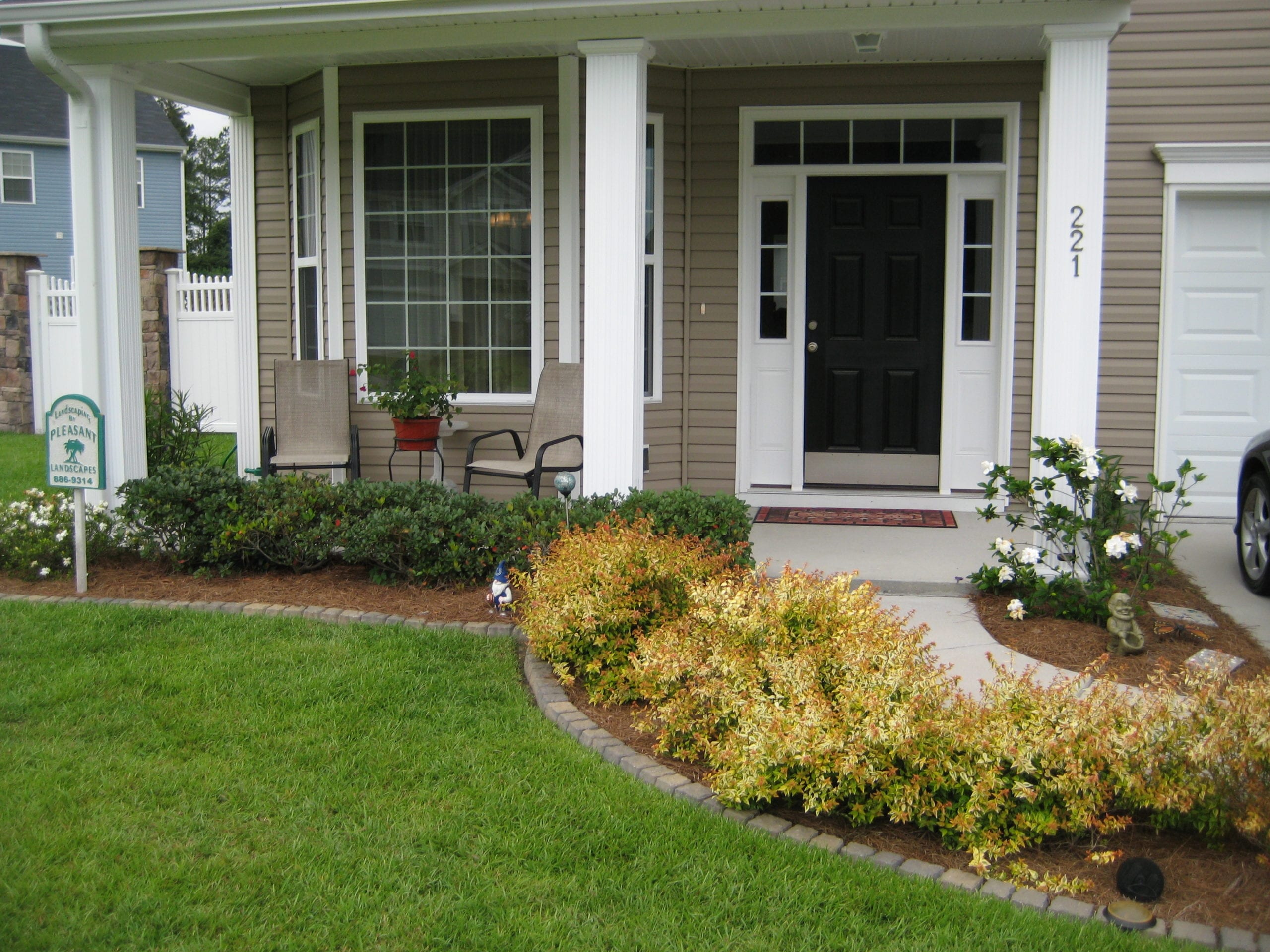
What Can You Envision in Your Outdoor Space? We'll Bring Your Vision to Life!
Pleasant Landscapes has the skills and experience necessary to transform your outdoor space into the backyard retreat of your dreams. We will work closely with you to learn what you have in mind. Then, we will provide you with detailed plans to explain how we can accomplish the project. We understand that each property has a different personality and different needs. All our work will be customized to suit you and your home. Pleasant Landscapes does nothing in a cookie-cutter fashion!
Remember, even if you only have a vague idea of what you want, we can help you flesh out that idea into a full-fledged plan. Our talented team has experience in all aspects of landscaping, even envisioning something new and exciting for your property. Trust the professionals to make your landscape fabulous.
What Are People Saying About Pleasant Landscapes?

We Stand Firm To Our
No-Nonsense Service Guarantee
Our motto is simple. No Hassle, No Excuses, NO NONSENSE. You'll Love It!
We guarantee that you will be absolutely delighted by our lawn care services. We believe we have the best products, services, and programs in the professional lawn care industry. If you are ever dissatisfied with the results, please notify us within 14 days after the service and we will return to your property at no charge.
When it comes to landscape design and installation, we commit to excellent customer service. We promise to respect your property, provide every service to the best of our ability, and use the safest, most effective products available at a fair price. We are a close-knit team with amazing talent. We like to treat our customers like you're one of us!
Service Areas
Landscaping can sometimes be a roller coaster ride of problems and successes. When you put Pleasant Landscapes on the job, you're guaranteeing a smooth ride and a satisfactory end result. If you're ready to speak to one of our friendly sales representatives, please contact us today.
We look forward to working with you!